
New Publications
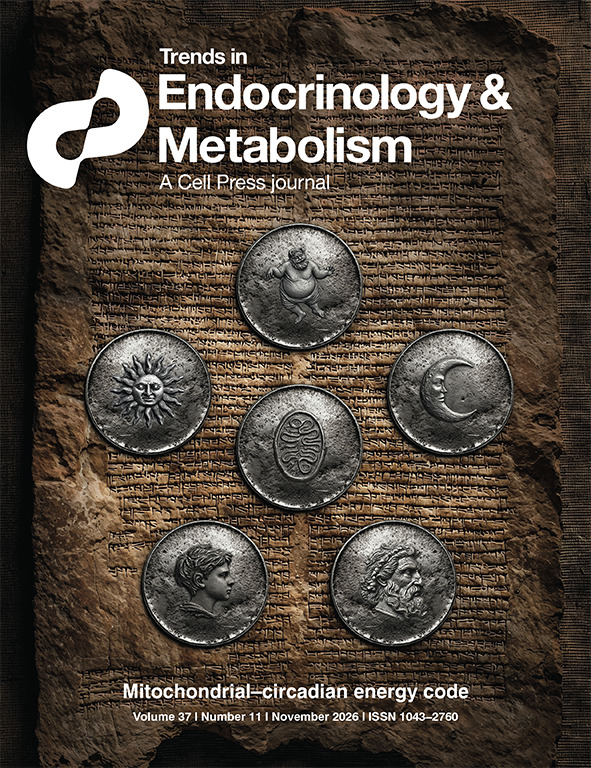
Two new publications from the Apostolova Lab on creatine and leukemia
Metabolic reprograming is a common adaptation of cancer cells to chemotherapy, but whether it shapes the tumor-immune crosstalk and promotes immune evasion is unclear. We asked this question in acute myeloid leukemia, an aggressive type of blood cancer frequently treated with a sequence of chemo- and immunotherapy. Across mouse and human models, we found that chemotherapy-persisting leukemia cells accumulate creatine, predominantly through uptake via SLC6A8. SLC6A8 was dispensable for leukemia growth and chemotherapy resistance in the absence of immune pressure, but became critical when AML cells were exposed to T cells. Mechanistically, loss of SLC6A8 enhanced IFN-γ/STAT1 signaling and chromatin remodeling, promoting expression of MHC class II and co-stimulatory molecules including CD40 and CD80 and rendering leukemia more susceptible to T cell-mediated elimination. Our findings link a therapy-induced metabolic adaptation to immune escape and identify SLC6A8 as a potentially targetable metabolic vulnerability in AML.
In addition, we reviewed the most important properties and biological functions of creatine in a Metabolite of the Month article for Trends in Endocrinology and Metabolism: